Why Sleep Matters in Cancer Recovery
Sleep is one of the most powerful medicines we have—and yet, it’s one of the most disrupted areas of life after cancer treatment.
Many survivors struggle with:
- Insomnia (difficulty falling asleep or staying asleep)
- Nighttime anxiety about recurrence or upcoming scans
- Fatigue that doesn’t improve with rest
- Sleep cycle changes from chemotherapy, radiation, or hormonal treatments
Poor sleep doesn’t just leave you tired—it impacts immune repair, hormone balance, mood, and overall healing. The good news? There are natural, effective strategies to reset your sleep after treatment.
5 Proven Tips to Sleep Better After Cancer Treatment
- Create a Sleep Ritual, Not Just a Bedtime
Your body craves rhythm. Instead of just “going to bed,” build a gentle 30–60 minute wind-down ritual that signals to your nervous system that it’s safe to rest.
- Dim the lights
- Turn off screens 1 hour before bed
- Try a calming activity like reading, stretching, or journaling
💡 Tip: Pair your ritual with a calming tea (chamomile, lemon balm, or passionflower).
2. Support Your Nervous System
Cancer treatment often leaves the nervous system on high alert. This “survivor state” makes true rest harder to access.
Try:
- Breathwork: 4-4-6 breathing to slow heart rate (check out my instagram for this technique)
- Progressive muscle relaxation to release tension
- Grounding practices like legs-up-the-wall pose before bed
💡 Check in with yourself: Am I physically tired but mentally wired? That’s a cue your nervous system needs extra support.
3. Optimize Your Sleep Environment
Your bedroom should feel like a sleep sanctuary. Simple tweaks can make a big difference:
- Keep the room cool, dark, and quiet
- Invest in blackout curtains or a sleep mask
- Use a white noise machine if you’re sensitive to sound
💡 Even small changes—like removing your phone from your bedside table—can reduce subconscious stress.
4. Balance Blood Sugar & Nutrition
Nighttime blood sugar dips can trigger cortisol spikes that wake you up at 2–3 AM.
- Eat balanced meals with protein + healthy fats at each meal, especially dinner
- Avoid heavy meals or too much sugar close to bedtime
- Try a calming snack if needed: almond butter on apple slices, or a magnesium-rich banana (although, it’s better if we can eat densely enough during the day to avoid this because food in our bellies can cause sleep disruption)
💡 Magnesium and l-theanine are two nutrients often used to promote relaxation and quality sleep. My main favourite is something called Lactium that helps reset the stress response.
5. Reset Your Circadian Rhythm
Light is the strongest signal for your body clock. Support your sleep-wake cycle with:
- Morning sunlight exposure for 10–20 minutes
- Consistent sleep/wake times (even on weekends)
- Avoiding bright light exposure before bed
💡 If mornings are dark where you live, a sunrise alarm clock or light therapy box can be helpful tools.
When to Reach Out for Help
If sleep issues persist beyond 3–6 months, or if they’re paired with anxiety, depression, or severe fatigue, don’t go it alone. A care team—naturopathic doctor, sleep specialist, or therapist—can help you uncover deeper imbalances such as hormone shifts, inflammation, or nervous system dysregulation.
Final Thoughts
Healing after cancer is never linear—but sleep is one of the most restorative allies you can have on your side.
Remember:
- Progress isn’t perfection—one small shift in your sleep hygiene can ripple into your entire healing journey.
- Compassion > pressure—your body is still learning to rest again.
- Support is available—you don’t have to navigate post-cancer sleep struggles alone.
Your next step: Pick one tip above to try this week. Over time, small consistent practices can help you reclaim deep, restorative rest.
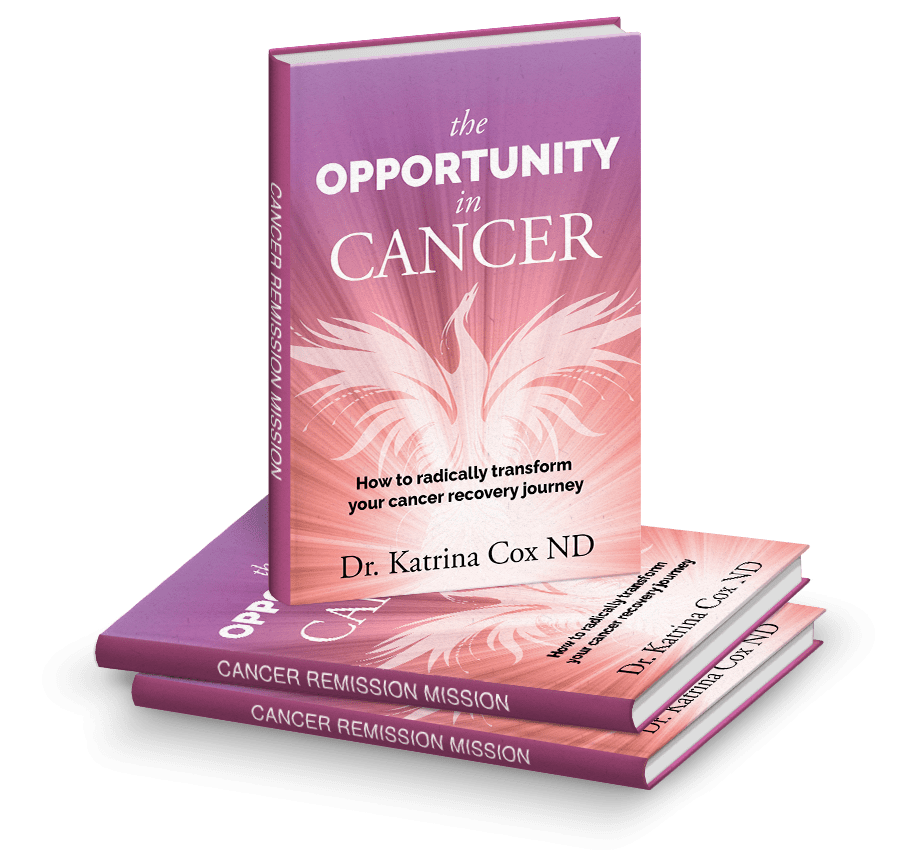
Not quite sure where you’re at with your sleep? Check out chapter 10 of my book, The Opportunity In Cancer, where you’ll find my Sleep Investigation Questionnaire on pages 144-147.
Want More Support?
Download my free guide:
The Ultimate Energy Building Guidebook for Cancer Survivors
Inside, you’ll discover how to restore energy, rebalance your body, and move into the next chapter of remission with clarity and strength.
Or book a free 15 minute 1:1 consultation to explore a personalized recovery plan rooted in naturopathic care, emotional wellness, and nervous system repair (Ontario Residents Only).
Related Articles
Mindset, Stress & Mental Health, Support & Resources

Mindset, Stress & Mental Health, Support & Resources
Mindset, Stress & Mental Health, Support & Resources