One of the most common things I hear from cancer survivors is:
“I just want to get back to normal.”
It sounds like a reasonable goal. After all, treatment is over. The scans are clear. The appointments are less frequent. Family and friends are encouraging you to move forward.
But what if “normal” doesn’t fit anymore?
What if the reason you’re struggling isn’t because you’re doing recovery wrong—but because you’re trying to return to a version of yourself that no longer exists?
The truth is that cancer changes more than your body. It can change your priorities, your perspective, your relationships, your confidence, and your sense of identity. While many people expect the physical recovery to be challenging, fewer people talk about the emotional and psychological process of figuring out who you are now.
Why Do I Feel Like a Different Person After Cancer?
Cancer can change more than your body. Many survivors experience shifts in priorities, relationships, confidence, energy, and identity during recovery. Feeling different after cancer is common and does not mean something is wrong. For many people, healing involves creating a new normal rather than returning to life exactly as it was before diagnosis.
Why Cancer Changes More Than Your Body
When most people think about recovery after cancer, they think about physical healing.
Recovering from surgery.
Managing side effects.
Building strength and stamina.
Adjusting to changes in energy, mobility, or function.
These challenges are real, and they deserve attention.
But there is another layer of healing that often catches survivors by surprise.
A cancer diagnosis can fundamentally alter the way you see yourself and the world around you.
The experience can force you to confront uncertainty, mortality, vulnerability, and priorities in a way that few other life events do. Many survivors find themselves asking questions they never considered before:
- What truly matters to me?
- How do I want to spend my time?
- Which relationships feel supportive?
- What am I no longer willing to tolerate?
- What does a meaningful life look like now?
These questions don’t always have immediate answers. But they often signal that something important is shifting beneath the surface.
Why Going Back to Normal Often Doesn’t Work
Many survivors feel frustrated because they keep waiting to feel like their “old self” again.
The problem is that recovery is not a rewind button.
Cancer is a life-changing experience. Just as people are changed by becoming parents, losing a loved one, ending a marriage, or changing careers, cancer can alter the way you move through life.
The difference is that cancer often affects both your internal world and your physical body simultaneously.
Your energy may be different.
Your stress tolerance may be different.
Your goals may be different.
Even activities you once loved may not bring the same sense of fulfillment they once did.
This doesn’t mean something is wrong with you.
It means you’ve had an experience that has changed you.
Trying to force yourself back into old expectations can create frustration, guilt, and self-judgment. Instead of asking, “How do I get back to who I was?” it may be more helpful to ask:
“Who am I becoming?”
Signs Your Identity Is Shifting After Cancer
Identity shifts don’t always happen dramatically. Often, they appear in subtle ways.
You may notice:
Your old routines no longer fit
The pace, schedule, or expectations that once felt normal may now feel exhausting or unsustainable.
Your tolerance is different
You may have less patience for stress, conflict, overcommitment, or situations that drain your energy.
You’re questioning things you never questioned before
Work, relationships, priorities, and future plans may all come under review.
Old joys feel different
Activities that once felt meaningful may no longer hold the same appeal, while entirely new interests begin to emerge.
You need more space
Many survivors find themselves craving more rest, quiet, reflection, and intentionality.
Social situations feel different
Interactions that once felt effortless may now feel awkward, overwhelming, or emotionally complicated.
You feel like yourself—and not yourself
Perhaps the most confusing experience of all is realizing that parts of you remain unchanged while other parts have transformed completely.
Both can be true at the same time.
Why Friends and Family May Not Understand
One of the most isolating aspects of survivorship is realizing that the people around you often did not experience the same transformation you did.
They may see your treatment ending as the finish line.
They may assume life should return to normal.
They may expect the same interests, energy, and availability you had before cancer.
Meanwhile, you’re still trying to understand your own experience.
This disconnect can leave survivors feeling misunderstood, frustrated, or alone.
It’s important to remember that most people are not intentionally dismissive. Often, they simply don’t have the context to understand what has changed for you.
This is why communication becomes so important.
Sometimes simple statements can help bridge the gap:
- “My experience has been different than what people expect.”
- “I’m still figuring out what my new normal looks like.”
- “My energy and priorities have changed.”
- “I’m still in recovery, even if treatment is finished.”
You do not owe anyone a detailed explanation of your healing journey. But clear communication can help create understanding and reduce unnecessary pressure.
Rebuilding Confidence in the New Version of You
Many survivors assume confidence will return when their body fully recovers.
But confidence and self-trust after cancer often develops differently.
It isn’t about pretending nothing happened.
It isn’t about proving you’re back to normal.
And it isn’t about performing strength for other people.
Real confidence comes from learning to trust yourself again.
Trusting your body.
Trusting your intuition.
Trusting your boundaries.
Trusting your decisions.
Trusting your ability to navigate life as the person you are today—not the person you were before diagnosis.
This kind of confidence is often quieter than before, but it is frequently stronger.
Finding the Opportunity in the Change
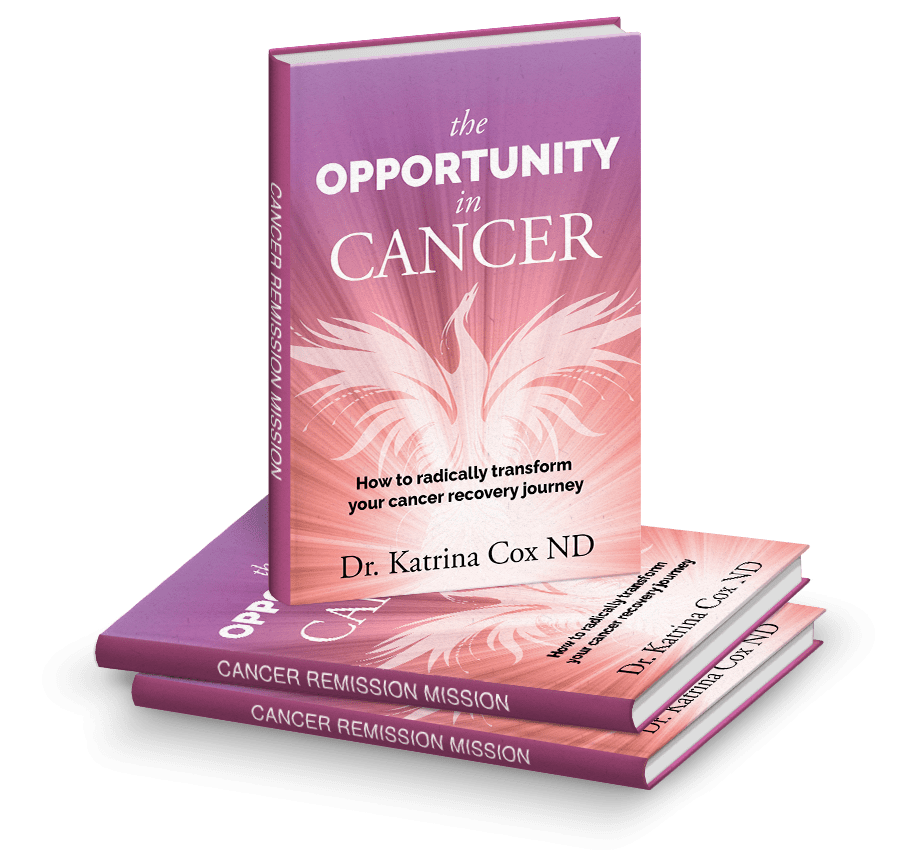
When I wrote The Opportunity in Cancer, I knew the title might feel uncomfortable for some people.
To be clear, cancer itself is not the opportunity.
The opportunity is what can emerge from the experience.
Many survivors discover greater clarity about what matters most. They develop stronger boundaries. They become more intentional with their time.
They deepen meaningful relationships. They learn to advocate for themselves. They reconnect with parts of themselves that had been buried beneath years of obligations, expectations, and busyness.
The journey is not easy.
There are losses that deserve to be acknowledged and grieved.
But alongside those losses, there can also be growth.
The kind of trust that comes from knowing you will continue showing up for yourself, even when things don’t go perfectly.
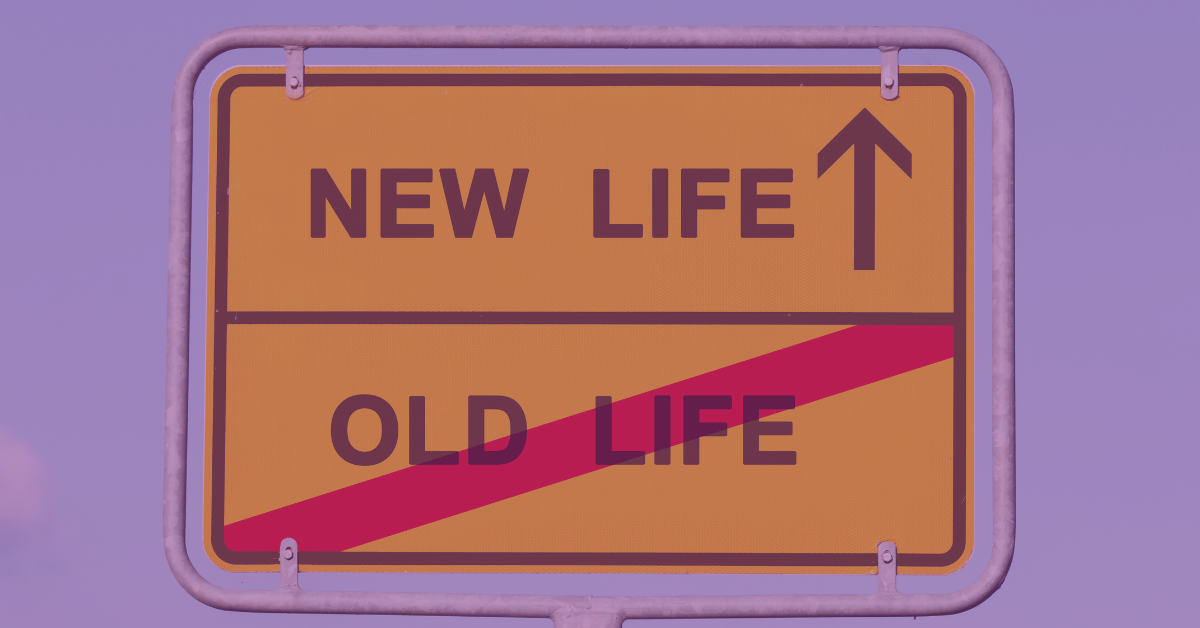
You Don’t Need to Go Back to Move Forward
If you’ve been feeling frustrated because you don’t feel like your old self, consider the possibility that nothing is wrong.
Perhaps you’re not meant to go back.
Perhaps healing isn’t about returning to who you were.
Perhaps it’s about becoming who you are now.
You don’t have to rush the process.
You don’t have to have all the answers.
And you don’t have to prove that you’ve fully figured it out.
Give yourself permission to evolve.
The goal isn’t to reclaim the life you had before cancer.
The goal is to create a life that reflects the person you’ve become because of it.
Want More Support?
Download your FREE resources, including the Survivor State Questionnaire and the 8 Pillars of Recovery Questionnaire, by downloading the Read-Along Workbook, as well as the Glossary and Lab Guide that go with the book (hint: getting the book makes them easier to use, but you can use them before getting the book too ;))
Or book your free 15 minute discovery call where we can discuss how I can support you to rebuild your routine after cancer.
Related Articles
Mindset, Stress & Mental Health, Support & Resources
Mindset, Stress & Mental Health, Support & Resources
Mindset, Stress & Mental Health, Support & Resources