Gratitude is often presented as one of the simplest ways to improve our emotional well-being. We’re encouraged to count our blessings, focus on the positive, and appreciate what we have. While these practices can be helpful, gratitude can feel much more complicated when you’ve experienced something as life-altering as cancer.
You may feel deeply grateful to be alive while simultaneously struggling with fatigue, uncertainty, fear, or the lingering effects of treatment. You might appreciate the people who supported you while also grieving the relationships that changed. You may recognize how far you’ve come while still wishing that certain parts of your life were different.
And sometimes, being told to focus on the positive can feel like one more expectation you’re supposed to meet.
But gratitude after cancer isn’t about convincing yourself that everything is wonderful. It’s about learning to recognize what is meaningful, even when life remains imperfect.
It’s less about forcing positivity and more about developing the capacity to be present with your life as it is.
When Gratitude Feels Complicated
After cancer, there can be an unspoken expectation that you should feel grateful all the time. Grateful that treatment worked. Grateful for another chance. Grateful that things weren’t worse.
Of course, you may genuinely feel all those things. But gratitude doesn’t cancel out the emotional and physical challenges of recovery.
You can appreciate being alive and still feel frustrated by your body’s limitations. You can be thankful for your medical team and still feel angry about what you’ve experienced. You can look forward to your future while feeling anxious about what it might hold.
These emotions aren’t contradictory. They’re part of being human.
The difficulty arises when we begin judging ourselves for having emotions that don’t fit the narrative of how we think we should feel.
We might tell ourselves that we shouldn’t complain because others have it worse, or that we should be happier because we’ve made it through treatment. Over time, this kind of thinking can create guilt and emotional pressure rather than genuine appreciation.
True gratitude doesn’t require us to dismiss difficult feelings. In fact, emotional honesty is what allows gratitude to become authentic rather than another obligation.
When we give ourselves permission to acknowledge what is hard, we also create space to recognize what is good.
Both experiences deserve to exist.
Why Being Present Can Be Difficult After Cancer
One of the less-discussed challenges of cancer recovery is how difficult it can become to simply enjoy the present moment.
During diagnosis and treatment, much of life revolves around anticipating what comes next. There are appointments to attend, results to wait for, symptoms to monitor, and decisions to make. Your attention becomes focused on identifying potential problems and preparing for uncertainty.
This heightened awareness serves a purpose. Your nervous system is designed to recognize threats and help you respond to them.
However, once treatment ends, that pattern of vigilance doesn’t necessarily disappear.
You might find yourself worrying about the next scan, questioning an unfamiliar sensation, or mentally preparing for something to go wrong, even when things are going relatively well.
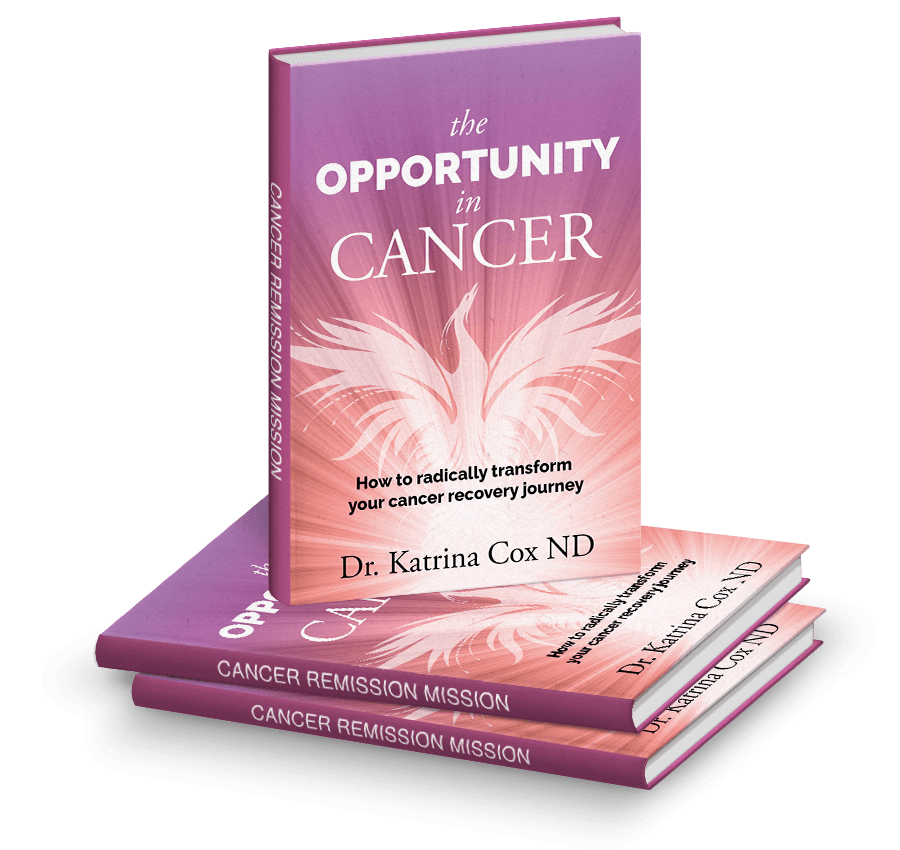
In my book, The Opportunity in Cancer, I explore how our emotional and stress responses can influence the way we experience recovery and navigate life after cancer. When we remain caught in a Survivor State, our attention can become dominated by fear, uncertainty, and the need to protect ourselves.
This can make it difficult to fully experience moments of joy, connection, or contentment.
It’s not necessarily that those moments aren’t happening. It’s that our attention is somewhere else.
We can become so focused on preparing for what might happen tomorrow that we miss what’s happening today.
Learning to be present doesn’t mean ignoring symptoms, abandoning appropriate medical follow-up, or pretending uncertainty no longer exists. It means gradually developing the ability to recognize when our attention has moved into anticipation and gently bringing it back to the moment we’re actually living.
This is one way nervous system awareness can support emotional recovery. As we become better at recognizing our stress responses and responding to them with compassion, we may find it easier to experience moments of calm and connection without feeling that we must constantly remain on guard.
Presence isn’t the absence of uncertainty. It’s the ability to experience life alongside it.
Gratitude Isn’t About Finding the Silver Lining
There’s an important difference between finding meaning in an experience and feeling obligated to identify something positive about it.
Even though I titled my book The Opportunity in Cancer, that doesn’t mean cancer has to be described as a gift, a blessing, or something that happened for a reason.
For some people, the experience leads to meaningful changes in relationships, priorities, or how they choose to spend their time. Others may not identify any positive transformation, and that’s equally valid.
Yet, through my own experience and my work with cancer survivors, I’ve come to recognize that there can be an opportunity to reconsider our relationship with life itself. Not because of what cancer has given us, but because of what we may begin to notice, appreciate, and choose for ourselves. It’s an opportunity to become more present in the life we’re living today, while also being intentional about the life we want to create moving forward.
Perhaps you’ve developed a stronger understanding of your needs. Maybe you’ve learned to communicate more honestly, establish healthier boundaries, or recognize when you’re taking on too much.
Or perhaps you’re simply grateful for an afternoon when you felt like yourself again.
These experiences don’t erase what happened. They exist alongside it.
This distinction matters because gratitude rooted in obligation can become another form of pressure. We begin searching for something positive because we believe we’re supposed to, rather than noticing what genuinely matters to us.
Authentic gratitude is different. It comes from awareness, not expectation.
Instead of asking, “What should I be grateful for?” we can begin asking, “What am I genuinely appreciating in my life right now?”
Sometimes the answer will be significant. Other times, it might be something wonderfully ordinary.
And sometimes, you may not have an answer at all.
That’s okay, too.
Appreciating Your Growth Without Comparing Your Journey
Another challenge in cancer recovery is the tendency to compare our progress with other people’s experiences.
You might see someone who has returned to work, resumed exercise, started travelling, or embraced a new chapter of life and wonder why you’re not there yet.
Perhaps you’re still managing fatigue, struggling with confidence, or trying to understand what your body needs.
Comparison can make it difficult to recognize your own growth because it shifts your attention away from your experience and toward someone else’s timeline.
But recovery isn’t a competition, and progress doesn’t always look the way we expect.
Sometimes growth is visible in what we’re able to do. Other times, it’s reflected in how we respond to the challenges we encounter.
You may still experience difficult days, but perhaps you’re quicker to recognize when you need support. You may still feel uncertainty, but you’re learning not to let it dictate every decision. You may not have returned to your previous level of activity, but you’ve developed a more compassionate relationship with your body.
These changes matter.
Rather than measuring your progress against someone else’s achievements, consider what has shifted in your own experience.
Are you responding to yourself with more kindness? Are you recognizing your needs sooner? Are you becoming more comfortable asking for help, setting boundaries, or making decisions that reflect what matters to you?
Growth doesn’t always mean doing more.
Sometimes it means approaching your life differently.
And appreciating that growth doesn’t mean you have to stop wanting more for yourself.
You can be proud of how far you’ve come and still be excited about where you’re going.
Five Ways to Cultivate Gratitude Through Presence
If gratitude has felt difficult or forced, it may help to approach it less as a practice of positive thinking and more as an opportunity to develop awareness.
Here are five ways to begin.
1. Notice What Feels Good Without Needing to Explain It
Instead of creating a list of things you think you should appreciate, pay attention to moments that naturally bring a sense of comfort, enjoyment, or connection.
It might be a favourite song, a meaningful conversation, or simply having enough energy to participate in something you enjoy.
You don’t need to make the moment more significant than it is. Just allow yourself to notice it.
2. Make Room for More Than One Emotion
When you’re having a difficult day, try acknowledging both what feels challenging and what you appreciate.
For example: “I’m frustrated that my energy is limited today, and I’m grateful that I was able to spend time with my family.”
Neither statement needs to cancel out the other.
This practice can help us move away from all-or-nothing thinking and develop greater emotional flexibility.
3. Bring Your Attention Back to What’s Happening Now
If you notice yourself becoming caught up in future worries, gently redirect your attention to your immediate surroundings.
Notice what you can see, hear, or feel. Pay attention to the conversation you’re having, the activity you’re doing, or the environment around you.
You don’t need to eliminate your worries. You’re simply reminding yourself that there is more to this moment than the thoughts competing for your attention.
4. Recognize Progress That Isn’t Measured by Achievement
At the end of the week, consider one way you’ve grown in how you respond to yourself or your circumstances.
Perhaps you rested before becoming completely exhausted, communicated a need more clearly, or handled an unexpected challenge with greater patience.
These are meaningful forms of progress, even if they don’t appear on a traditional list of accomplishments.
5. Allow Yourself to Enjoy Life Without Earning It
Sometimes we postpone enjoyment until we’ve completed enough tasks, reached another milestone, or made more progress in recovery.
But appreciation doesn’t have to be something we earn.
You are allowed to enjoy a good day even when other parts of your life remain unresolved. You can experience happiness without needing to justify it, and you can make room for pleasure without feeling that you’ve neglected your healing.
Living fully includes allowing yourself to experience the life that’s happening now.
Gratitude and Growth Can Exist Together
As we move through recovery, it’s natural to continue looking ahead. We have goals, hopes, and plans for what we want our lives to become.
There’s nothing wrong with wanting more.
The challenge comes when we become so focused on the next milestone that we overlook the value of where we are today.
Gratitude invites us to recognize that our lives don’t have to be complete or perfect to contain meaningful experiences. Presence helps us notice those experiences while they’re happening.
Together, they offer a different way of approaching recovery—one that allows us to acknowledge the challenges we’ve faced, appreciate the progress we’ve made, and remain open to what’s possible.
As we explored in our article, When Life Happens: Staying Out of Survivor State During Difficult Seasons, resilience isn’t about avoiding challenges or maintaining perfect emotional balance. It’s about learning to navigate uncertainty with greater awareness, flexibility, and self-trust, without allowing difficult experiences to undo the progress we’ve made.
Building on that resilience, we can begin to shift our attention beyond simply managing life’s challenges toward appreciating the life unfolding around us. By cultivating presence and authentic gratitude, we create more opportunities to recognize what’s meaningful, even when life remains complicated.
Not every day will feel meaningful. Not every experience will inspire gratitude. And there will still be moments when fear, frustration, or sadness take up more space than we’d like.
But those moments don’t mean we’ve lost our capacity for appreciation.
They simply remind us that life is complex, and we are allowed to experience all of it.
You don’t have to wait until everything is better to appreciate what’s good. And you don’t have to stop wanting more to be content with what you have.
Perhaps that’s what genuine gratitude after cancer looks like: not a constant state of positivity, but a growing ability to be present, honest, and appreciative of the life you’re living.
A Question to Take With You
Take a moment to consider:
What is one part of my life that I may be overlooking because I’m so focused on what comes next?
You don’t need to change anything immediately. Simply noticing may be a meaningful place to begin.
Continue Your Recovery Journey
At Cancer Remission Mission, we believe recovery is about more than moving beyond cancer treatment. It’s about understanding your emotional and physical needs, rebuilding trust in yourself, and creating a life that feels meaningful to you.
Through The Opportunity in Cancer, Dr. Katrina Cox shares a framework for recognizing Survivor States and developing greater awareness, confidence, and intentionality throughout recovery.
Download your FREE resources, including the Survivor State Questionnaire and the 8 Pillars of Recovery Questionnaire, by downloading the Read-Along Workbook, as well as the Glossary and Lab Guide that go with the book (hint: getting the book makes them easier to use, but you can use them before getting the book too ;))
Or book your free 15 minute discovery call where we can discuss how I can support you to move from surviving toward thriving.
Related Articles

Mindset, Stress & Mental Health, Support & Resources

Mindset, Stress & Mental Health, Support & Resources
Mindset, Stress & Mental Health, Support & Resources