You’ve done the work. You’ve learned to listen to your body, and you’ve started rebuilding your life after cancer. Maybe you’re making plans again, reconnecting with people you love, returning to work, travelling, setting goals, or simply thinking about the future with more excitement than fear.
And then life happens.
Someone you love gets sick. Work becomes overwhelming. A relationship changes. Money gets tight. You receive an unexpected test result. Your schedule becomes chaotic. Something happens with one of your children or parents. Or several smaller stresses pile up until suddenly everything feels like too much.
You may find yourself wondering, Why am I reacting like this? I thought I was doing better.
You are doing better.
Healing doesn’t mean you’ll never feel overwhelmed again. It doesn’t mean you’ll never experience fear, uncertainty, anger, sadness, or stress. And it certainly doesn’t mean life will stop giving you difficult things to navigate.
The real work of recovery isn’t creating a life where nothing activates you. It’s learning to recognize when stress is pulling you toward Survivor State—and knowing how to support yourself before you become stuck there.
Life After Cancer Is Still Life
There can be an unspoken expectation after cancer that once you’ve made it through treatment and begun rebuilding your health, you should somehow be exceptionally grateful, calm, or resilient. But life doesn’t work that way.
Cancer survivors still experience job stress, relationship challenges, caregiving responsibilities, financial pressures, grief, family conflict, health concerns, aging parents, difficult decisions, and unexpected change. You’re still human, and when something difficult happens, your nervous system is going to respond.
That response isn’t necessarily a problem. Stress is part of the body’s normal adaptive response to challenge. Your heart rate may increase, your muscles may tense, your thoughts may speed up, or you may feel temporarily more alert or emotionally reactive. Ideally, when the challenge passes—or when your brain and body recognize that you are safe—your nervous system begins to settle again.
After cancer, however, uncertainty may carry a different meaning. You’ve already lived through a situation where something genuinely threatening happened. You know firsthand that life can change quickly, and that experience can make it harder for the nervous system to distinguish between something difficult is happening and something terrible is happening again.
That distinction matters.
Why Stress Can Feel Different After Cancer
Imagine you receive an unexpected phone call from your doctor asking you to come in to discuss a test result. For someone without a history of serious illness, that phone call might create worry. For someone who has experienced cancer, it may activate an entire network of memories, sensations, thoughts, and fears.
Within moments, your mind may have moved from wondering about the test result to imagining recurrence, treatment, what it could mean for your family, and how you would possibly go through all of it again. Your nervous system isn’t necessarily responding only to the phone call in front of you. It may also be responding to what uncertainty has meant before.
Health concerns aren’t the only situations that can create this response. Once the nervous system has experienced prolonged periods of uncertainty and threat, a conflict at work, financial problem, difficult conversation, change in your body, or family crisis may create a surprisingly strong reaction. You may suddenly feel as though you need to solve everything immediately, know exactly what is going to happen, or regain control before you can feel safe again.
This is where everyday stress can begin pulling you back toward Survivor State.
Stress and Survivor State Aren’t the Same Thing
One of the most important parts of resilient living is recognizing that feeling stressed does not automatically mean you’re back in Survivor State.
Stress is normal. You can have a terrible day, feel angry, cry, worry about something uncertain, or need some time to yourself and still be regulated. Being regulated doesn’t mean feeling calm, happy, or positive all the time. It means you still have enough capacity to experience what is happening without becoming completely consumed by it.
When stress begins pushing you toward Survivor State, however, you may notice that your relationship with the situation starts to change. Everything can begin to feel urgent. Your thoughts may become increasingly catastrophic or repetitive, small decisions can feel unusually difficult, and you may find yourself trying to control things that aren’t actually within your control. Some people become increasingly reactive, while others withdraw or shut down. You might seek constant reassurance, struggle to feel restored even after resting, or notice that the current problem begins to feel much bigger than the situation actually in front of you.
These experiences don’t mean you’ve failed. They’re information. Your nervous system may simply be telling you, This is becoming more than I can comfortably hold right now.
And that awareness gives you an opportunity to respond differently.
Catch the Shift Before You’re Deep in It
Resilience often begins much earlier than we think. We tend to focus on what to do once we’re completely overwhelmed, but one of the most valuable skills you can develop is learning to recognize your own early warning signs.
Perhaps you start sleeping differently or become more irritable. You might stop exercising, going outside, or doing the small things that normally help you feel like yourself. You may find yourself endlessly researching something online, cancelling plans, saying yes to everything because disappointing someone feels intolerable, or repeatedly imagining worst-case scenarios.
Your signs may look completely different from someone else’s. The important question is: What changes in me when I’m beginning to feel unsafe, overwhelmed, or out of control?
Knowing your answer allows you to intervene earlier. The goal isn’t to prevent every difficult emotion or immediately make yourself feel better. It’s to recognize when your capacity is becoming stretched so you can respond with support rather than waiting until you have nothing left to give.
Resilience Is Adaptability, Not Control
After cancer, control can feel incredibly reassuring. If you eat the right foods, take the right supplements, exercise consistently, manage your stress, attend every appointment, and make all the “right” decisions, perhaps you can prevent anything bad from happening again.
But control has limits. You can make thoughtful choices about your health without being able to control every test result. You can care deeply about the people in your life without controlling their decisions. You can prepare for challenges without anticipating every one of them. You can invest in relationships without guaranteeing they will never change. No amount of planning can organize life so perfectly that uncertainty disappears.
Trying to achieve that level of control can become exhausting, especially when what you’re really seeking underneath it is a sense of safety.
Resilience offers a different goal. Instead of asking, How do I make sure nothing goes wrong? we can begin asking, How will I support myself when something does?
That is a very different kind of confidence. It isn’t confidence in a particular outcome. It is confidence in your capacity to respond, adapt, ask for help when you need it, and make the next decision from where you actually are.
What Helps During a Difficult Season?
When life feels overwhelming, there can be a strong urge to fix everything at once. The mind races ahead, trying to solve problems that haven’t happened yet while simultaneously managing everything that is happening now.
Often, the more resilient response is to make your world temporarily smaller.
Start with what is happening today. Ask yourself what you are actually feeling rather than what you think you should be feeling. Fear, anger, grief, frustration, disappointment, exhaustion, and uncertainty are all valid responses to difficult circumstances. Naming the emotion can help separate the experience you are having from the story your mind may be building around it.
Then consider what your body needs. Sometimes resilience looks surprisingly ordinary: eating a proper meal, getting more sleep, stepping outside, moving your body, taking a few slower breaths, reducing stimulation, or spending time with someone who helps you feel grounded. These actions won’t necessarily change the situation, but they may give your nervous system more capacity to deal with it.
It can also help to separate what is within your control from what isn’t. You may not be able to control the outcome of a medical test, but you can decide who you want beside you when you receive the results. You may not be able to solve a family member’s problem, but you can decide what support you realistically have the capacity to provide. You cannot change what happened yesterday, but you can decide what you need today.
From there, focus on the next step rather than the entire path. When we’re overwhelmed, we often believe we need a complete plan before we can feel safe. Usually, we don’t. Sometimes we only need enough clarity to know what comes next.
Resilience is often built through very ordinary decisions made during very unordinary moments.
Difficult Days Don’t Erase Your Progress
This may be one of the most important things to remember during a difficult season: your progress is not as fragile as it feels.
A difficult week doesn’t erase six months of healing. Feeling afraid doesn’t mean you’ve lost your confidence, just as needing support doesn’t mean you’ve become dependent. Feeling overwhelmed doesn’t place you back at the beginning, and even slipping into Survivor State doesn’t mean all of your previous work has disappeared.
In fact, one of the clearest signs of growth may simply be that you recognize what is happening sooner.
Perhaps there was a time when you could remain overwhelmed for months before realizing how much stress you were carrying. Later, you began noticing it after a few weeks. Eventually, you might catch yourself several days into a difficult period and recognize, Wait. I know what’s happening here.
That moment matters.
The goal isn’t to become someone who never gets dysregulated. Resilience develops when you build the awareness, tools, support, and self-compassion that allow you to recognize what is happening and gradually find your way back.
Thriving Includes Difficult Seasons
We often picture thriving as the good part of life: travel, purpose, connection, joy, energy, new experiences, and plans for the future. All of those things matter, and after cancer, reclaiming them can be incredibly meaningful.
But a full life will also contain grief, disappointment, uncertainty, conflict, illness, change, and days when you simply don’t feel like yourself. Thriving cannot require the absence of those experiences, because then thriving would require a version of life that doesn’t actually exist.
Perhaps a better definition is having enough connection to yourself that difficult experiences don’t have to become your entire world.
You can be disappointed and still grounded. You can experience uncertainty and continue moving forward. You can be afraid while still trusting yourself. You can be going through a genuinely difficult season and still recognize that this season is part of your life—not the definition of it.
That is resilient living.
A Question to Take With You
The next time life feels overwhelming, notice if your first thought is, Why am I back here again?
Then see if you can replace that question with something more useful:
What would help me stay connected to myself while I move through this?
The shift is subtle, but important. One assumes that struggling means you’ve gone backwards. The other recognizes that difficulty is part of being human and asks how you want to care for yourself within it.
Because healing isn’t proven by having an easy life. It’s revealed in how you care for yourself when life becomes difficult.
Want More Support?
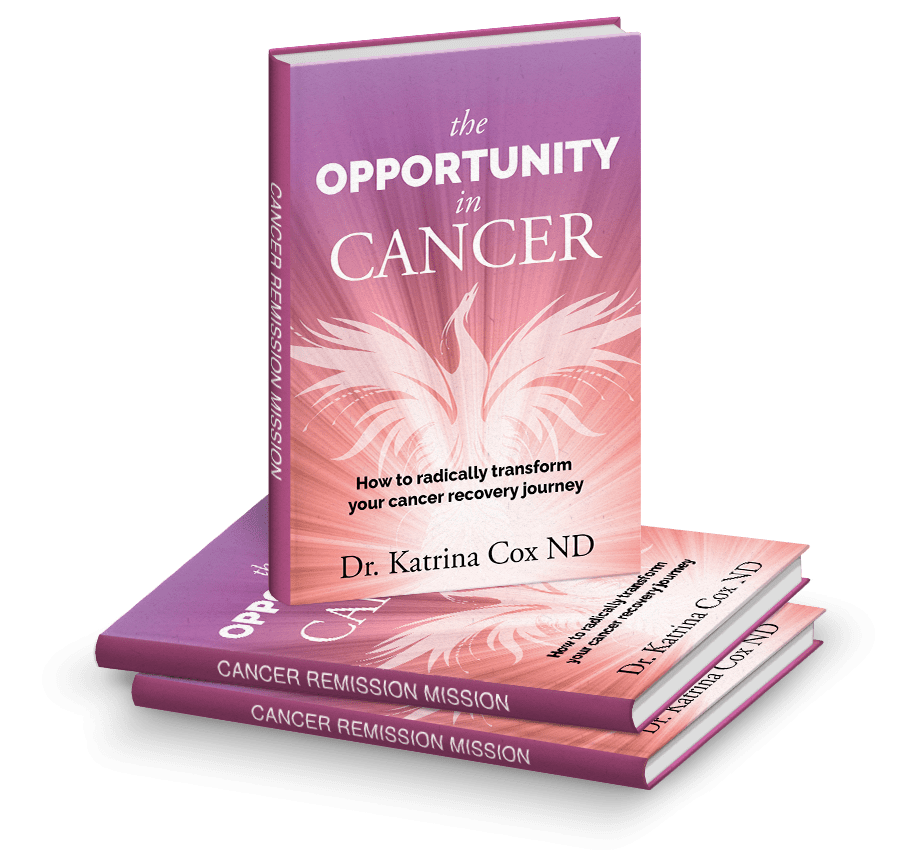
Download your FREE resources, including the Survivor State Questionnaire and the 8 Pillars of Recovery Questionnaire, by downloading the Read-Along Workbook, as well as the Glossary and Lab Guide that go with the book (hint: getting the book makes them easier to use, but you can use them before getting the book too ;))
Or book your free 15 minute discovery call where we can discuss how I can support you to rebuild your routine after cancer.
Related Articles
Mindset, Stress & Mental Health, Support & Resources
Mindset, Stress & Mental Health, Support & Resources
Mindset, Stress & Mental Health, Support & Resources